As parents, we quickly learn that young children hold complete ownership over three core areas of their daily lives: eating, sleeping, and toileting. When we shift away from power struggles and instead offer thoughtful support, we empower our children to develop essential life skills and gain true mastery over their bodies.
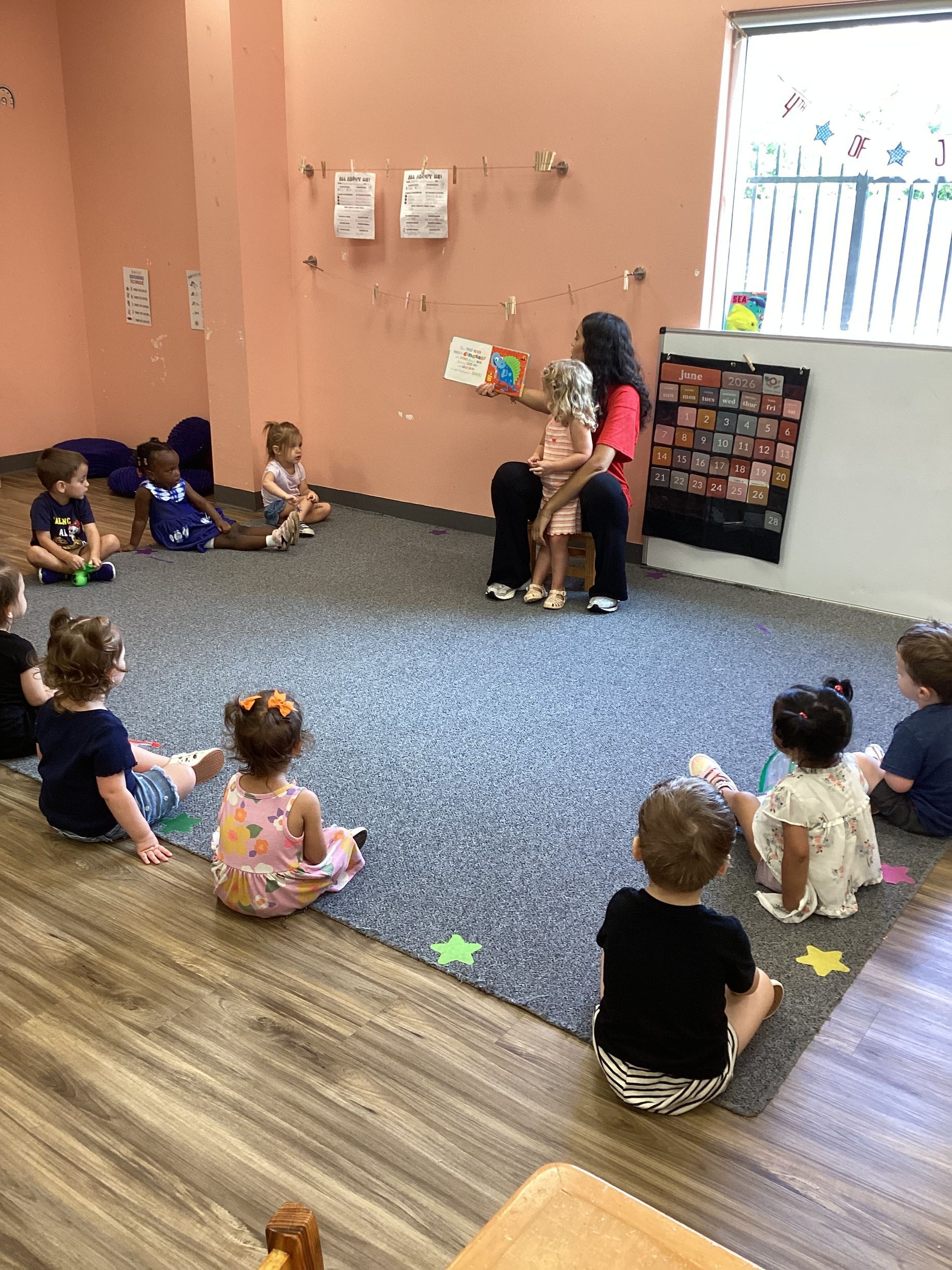
In our Montessori classrooms at My Quest Montessori School—from our peaceful Infant environments to our vibrant Toddler and Primary communities—young children actively participate in daily care. They learn to prepare snacks, rest peacefully, and dress themselves. Hand-in-hand with these practical life skills, they develop sphincter control and learn to stay dry.
We purposefully refer to this natural progression as “toilet learning” or “toilet awareness” rather than “toilet training.” We aren’t training our children; we are guiding them as they experience the pride of becoming fully independent human beings.
The journey takes time, consistency, and patience, but it does not have to feel overwhelming. Here is how we approach toilet learning in our classrooms, along with simple ways you can align these practices in your home.
1. Establish Early Body Awareness
Toilet awareness begins long before a child ever sits on a toilet. From infancy, the way we communicate during routine changes sets the foundation for body awareness.
In our infant environment, our guides speak directly and calmly to babies during changes, describing exactly what is happening:
- "Your diaper is wet from your urine."
- "Let's wipe your bottom so you feel clean and comfortable."
At Home Tip: Consider using cloth diapers or transitioning your child into cloth training underwear when they reach toddlerhood. Modern disposable diapers are remarkably effective at wicking away moisture, which can make it difficult for a child to connect the sensation of eliminating with the physical feeling of being wet.
Helpful Phrases to Try:
- "Does your diaper feel wet or dry?"
- "Your underpants feel heavy! You must have had a lot of pee come out."
- "I see you are squatting down and focusing. Your body is telling you it's time to poop."
2. Collaborate Rather Than Command
When a child wets their clothes at school, we gently invite them to the bathroom to collaborate on getting dry. We encourage them to sit on the child-sized toilet to see if their body has any remaining urine to release, help them change into dry clothes, and then support them in returning to their work.
Involving children in the process gives them a healthy sense of autonomy and control over their own bodies.
Helpful Phrases to Try:
- "You can hold your shirt up while I help pull down your pants."
- "You open this side of your diaper, and I’ll open that side."
- "I'll take a turn to wipe your bottom, and then you can have a turn to practice."
3. Keep It Matter-of-Fact
Toileting is a completely natural, universal human process, and we treat it with calm neutrality. At My Quest Montessori, when a child experiences an accident, we simply show them the wet clothing and guide them on where to place it in their laundry bag.
Even when a child successfully uses the toilet, we avoid overwhelming applause or dramatic celebrations. Instead, we acknowledge their internal success so they feel intrinsic pride.
Helpful Phrases to Try:
- "Pee and poop go into the toilet."
- "Your underpants are wet. Let’s change into dry ones. Do you remember where your extra clothes are kept?"
- "There is some pee on the floor. Let's grab our clean-up cloth together so we can dry the floor."
4. Maintain a Light, Warm Atmosphere
Children are deeply perceptive and pick up on adult stress or frustration easily. A positive, relaxed attitude from parents and educators keeps children feeling safe and secure during what can be a vulnerable learning process.
Our guides avoid any facial expressions, tones, or comments that express disgust, impatience, or frustration. Keeping the energy light reassures children that mistakes are simply part of learning.
Helpful Phrases to Try:
- "Accidents happen! We can always change into dry clothes."
- "Everyone learns how to use the toilet—Mommy, Daddy, and your teachers, too!"
5. Focus on Routine (Skip the Bribes & Treats)
We offer the toilet as a consistent part of our classroom routine, but we never force a child to sit, nor do we frame it as an open-ended choice when it is time to try.
While sticker charts, candy, and rewards might offer short-term compliance, they do not build the long-term internal motivation, self-assurance, and body trust that children need. By establishing predictable times for toilet visits—such as upon waking, before outdoor play, and before meals—toileting naturally integrates into their daily rhythm.
Helpful Phrases to Try:
- "It’s time to sit on the toilet before we go outside."
- "You listened to your body and peed in the toilet. You did that all by yourself."
A Shared Partnership for Your Child’s Growth
When we slow down and give children the time, space, and respect they need to master their body functions, we offer them a lifelong gift of confidence and self-reliance.
At My Quest Montessori School, we partner closely with our families to ensure that the routines established in our Cypress classrooms seamlessly connect with your home environment, creating a consistent, peaceful path toward independence for your child.
Discover the My Quest Montessori Difference
Are you looking for a supportive, nurturing educational environment for your infant, toddler, or primary student? We would love to show you our beautiful classrooms, introduce our dedicated guides, and share how our practical life curriculum prepares children for a lifetime of independence.
🗓️
Schedule a Private Tour:
Book your family tour today! Limited openings are currently available for our Infant, Toddler, Primary, and After School programs.