What, exactly, is the role of a Montessori teacher? How does it differ from traditional teaching?
To understand a Montessori educator, it is often easiest to start by explaining what they are not.
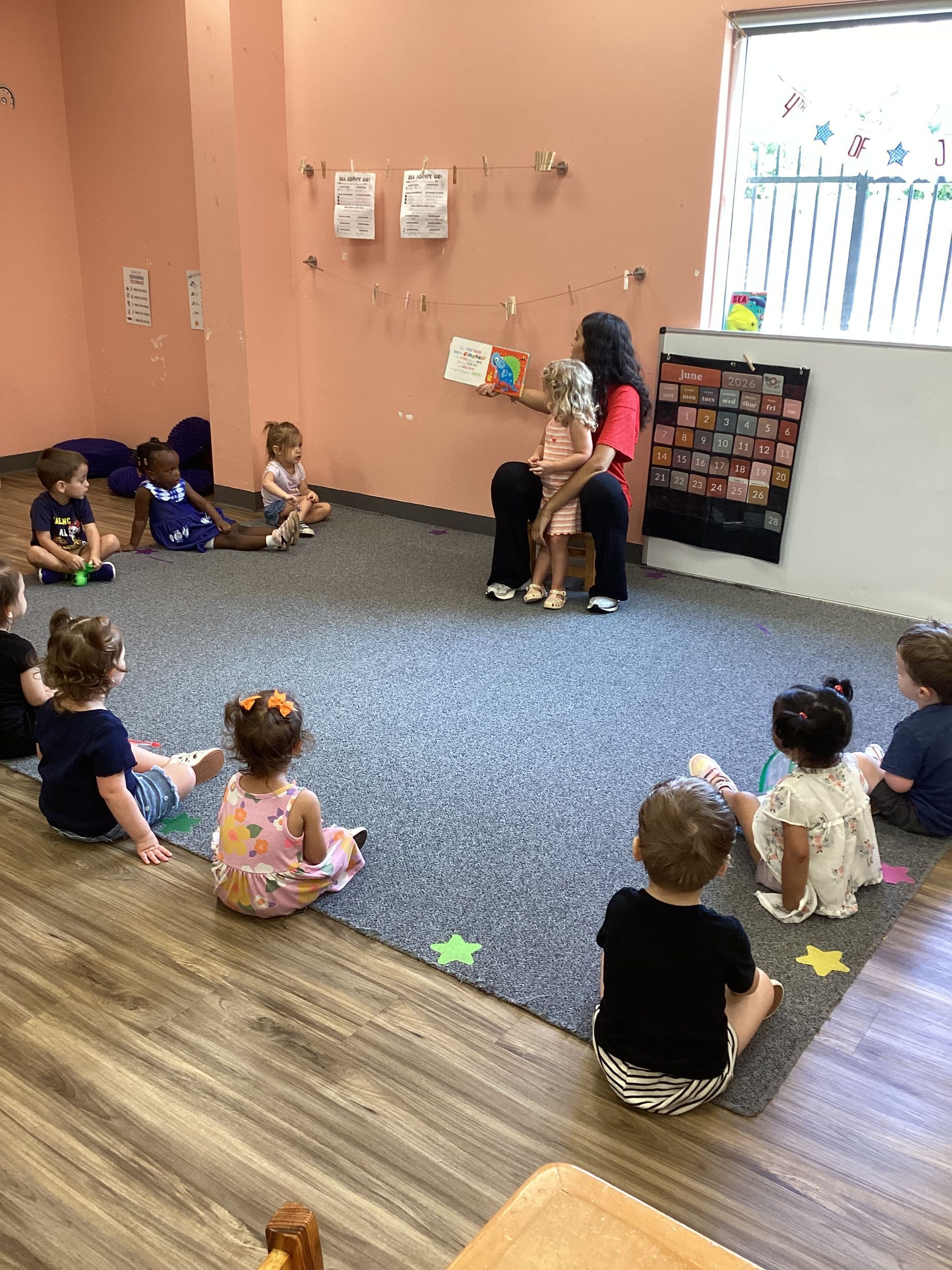
A Montessori teacher is less like a traditional lecturer standing at the front of a classroom and more like a gentle, observing guide. They do not view children as empty vessels waiting to be filled with information. Instead, they act as facilitators, providing young minds with the environment, tools, and encouragement needed to discover knowledge independently.
As Dr. Maria Montessori famously said:
"The greatest sign of success for a teacher... is to be able to say, 'The children are now working as if I did not exist.'"
Here is how our Guides approach education differently at My Quest Montessori School—and why this unique role makes such a profound impact on your child's confidence, focus, and academic growth.
1. Cultivating Independence & Self-Direction
In a traditional classroom, a teacher stands at the chalkboard delivering the exact same lesson to every child simultaneously. In a Montessori classroom, you will see something very different.
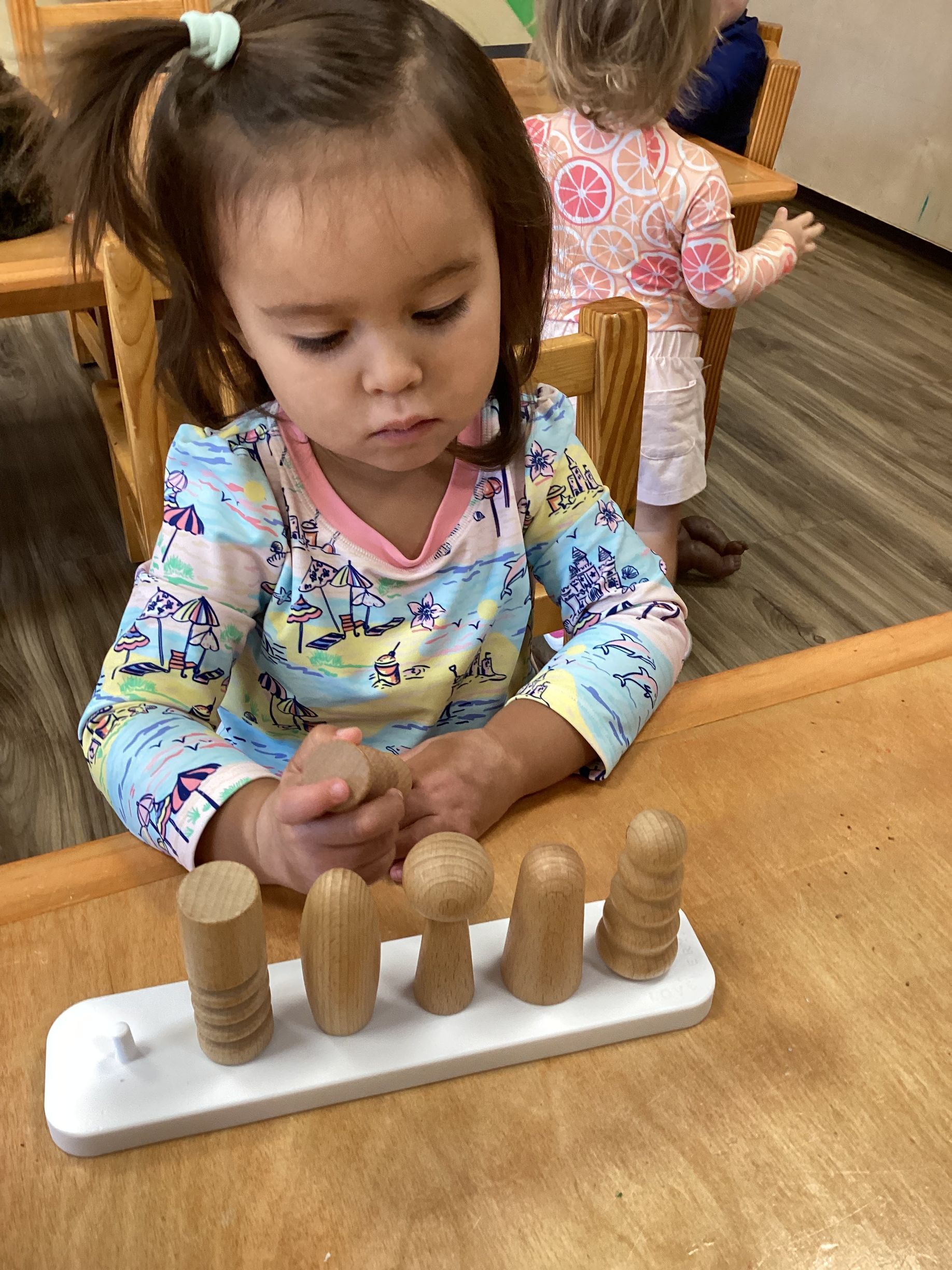
Our Guides work quietly with individual students or small groups. While a Guide delivers a targeted lesson to one child, the other students move purposefully around the room, engaging in activities that meet their personal stage of development.
To make this possible, our Guides spend substantial time preparing a structured, orderly classroom environment that is:
- Scaled to your child’s physical size
- Beautiful, inviting, and filled with tactile learning materials
- Carefully organized so children can select, use, and return materials independently
Our classroom environments are constantly evolving. As our Guides observe new interests and developmental shifts, they make subtle adjustments to ensure every child remains challenged and engaged.
2. Trained to Observe Like Scientists
Montessori Guides are highly specialized professionals. In addition to earning college degrees, our educators complete rigorous Montessori certification programs. These intensive training programs require extensive study in child development, Montessori philosophy, material design, and classroom management.
When assessing your child's progress, our Guides do not rely on standardized testing or mechanical worksheets. Instead, they rely on the power of scientific observation.
Our Guides keep detailed records of:
- Which materials your child chooses and how long they concentrate
- How well they execute multi-step exercises
- What concepts they have mastered and where they need additional guidance
- Their social interactions, emotional regulation, and choice-making
By observing your child daily, our Guides know precisely what your child understands across language, math, practical life, and sensorial studies, allowing them to introduce the next lesson at the exact moment your child is ready.
3. Thinking Long-Term Across Three-Year Cycles
Because Montessori classrooms are organized in three-year age groupings (such as our Primary program for ages 3 to 6), our Guides have the unique advantage of working with your child over multiple years.
This multi-year relationship allows our Guides to:
- Develop a deep understanding of your child's learning style, temperament, and strengths
- Build strong, trusting relationships with your family
- Support learning at your child’s natural pace without artificial grade-level pressures
- Watch older students step naturally into peer leadership roles, guiding younger classmates with confidence and empathy
4. Guiding Freedom Within Limits
In Montessori, children enjoy remarkable freedom—the freedom to choose their work, move around the room, and work at their own pace. However, this freedom operates within clear, intentional boundaries crafted by the Guide.
Structure gives children a sense of security, creating a safe environment where they feel comfortable taking academic risks and trying new tasks. Our Guides set firm, peaceful boundaries and help children navigate within them:
- Balancing Interests: If a student loves reading but avoids math, the Guide gently helps them build balanced habits. This might involve setting daily goals, integrating their love of reading into math exercises, or re-presenting a material in a fresh, inviting way.
- Building Executive Function: Guides coach children on time management, task completion, and focus, helping them build intrinsic motivation rather than relying on external rewards or punishments.
Experience the Montessori Difference in Cypress, Texas
At My Quest Montessori School, our Guides value independence, self-reliance, and intrinsic motivation alongside cooperation, kindness, and community spirit.
We invite you to
tour our Cypress campus, observe our peaceful classrooms in action, and see firsthand how our prepared environments and dedicated Guides bring out the best in every child.