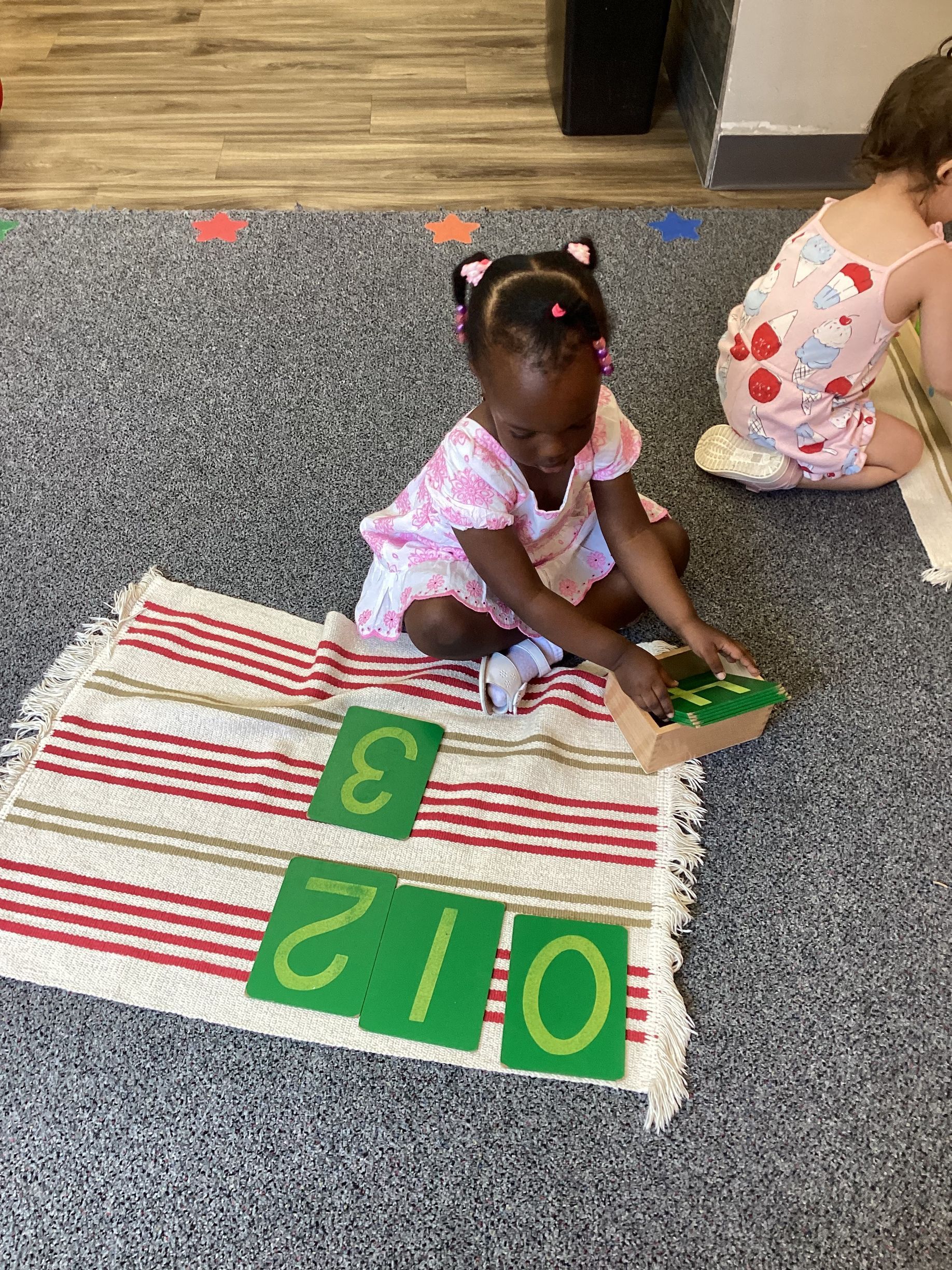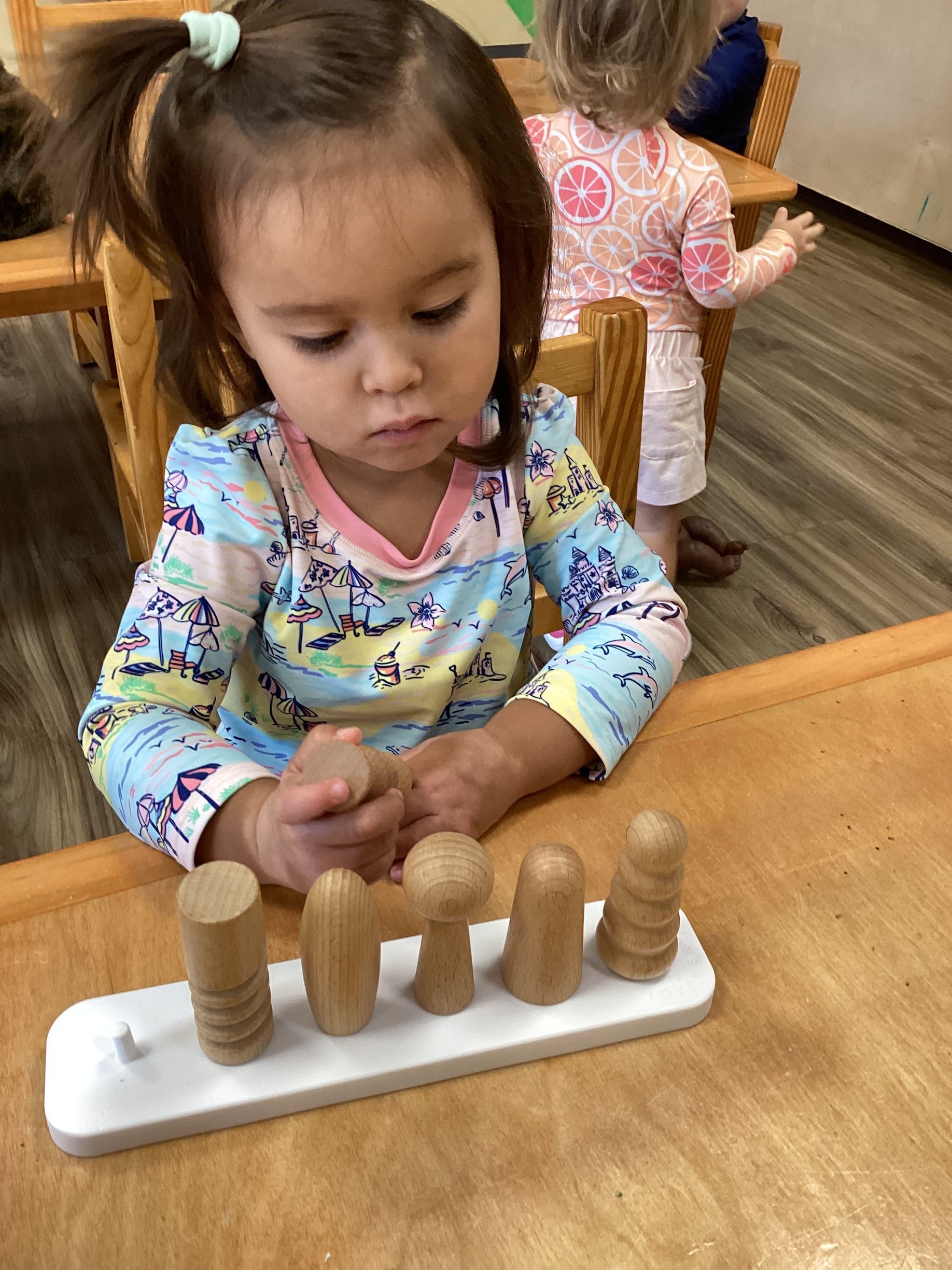
Human emotion is a gift, allowing us to experience the world deeply. Yet, as parents and caregivers, we know that navigating the wide range of feelings our children experience—and our own responses to them—can sometimes feel like a wild ride.
When our children experience intense feelings, it is natural to ask: How do we help them navigate these moments in a healthy way? Should we teach them to control their emotions, manage them, or encourage some while suppressing others?
In the Montessori tradition, we believe that all emotions are valid. Infants and young toddlers rely completely on trusted adults to co-regulate, looking to us for comfort and stability. As children grow into their toddler and primary years, we gradually guide them toward emotional self-reliance.
There is no wrong way to feel, and emotional suppression is never a healthy solution. To help children build lifelong emotional intelligence, we use a simple three-step approach: Accept, Observe, and React.
1. Accept: Naming Without Judgment
Accepting our feelings can be the hardest part, even for adults. Society often teaches us to label feelings as "good" or "bad," leading us to resist uncomfortable emotions. We can free our children from this burden by frequently reminding them that there is no wrong way to feel.
Emotions are not who we are; they are temporary responses to the world around us. They offer valuable insights about ourselves and others.
- Normalize all feelings: Reassure your child that frustration, sadness, and anger are just as normal as joy and excitement.
- Name the emotion: Help your child identify what they are experiencing. Use simple, neutral language. For example, say: "You seem angry." State it as a calm fact, free of judgment, disappointment, or an immediate attempt to fix it.
2. Observe: Noticing How Emotions Feel in the Body
Once an emotion is acknowledged, the next step is learning to observe it. The best time to practice this skill is during calm, peaceful moments—such as over dinner or while reading together before bed.
Observing an emotion means stepping back and looking at it as something external. To help your child build this self-awareness, ask them to notice how their body feels when big emotions arrive:
- "Where in your body do you feel that feeling the most?"
- "Does your stomach feel tight? Is your heart pounding?"
- "Does your head feel hot or light?"
Teaching children to notice physical signals helps them recognize emotions early, before those feelings turn into overwhelming behavior.
3. React: Finding Healthy, Respectful Outlets
Allowing an emotion to run its course is the healthiest way to let it pass. Resisting or hiding a feeling often makes it stronger.
During quiet moments, talk with your child about acceptable ways to express their feelings at home and in school. Establishing clear boundaries helps children feel safe while honoring their emotional needs:
- Identify healthy outlets: If your child feels an urge to scream, explore alternatives together. Can they sing loudly outside, blow out deep breaths, or squeeze a soft pillow?
- Establish clear boundaries: Reassure them that while all feelings are allowed, all behaviors are not. For instance: "It is okay to feel angry, but it is not okay to hit or throw things."
- Offer physical support: Ask if physical comfort helps: "Would you like a hug, or would you prefer a quiet moment on your rug?"
How We Nurture Emotional Intelligence at My Quest Montessori School
At My Quest Montessori, our classrooms are carefully prepared to support your child’s emotional and social development alongside their academic growth.
- The Prepared Adult: Our Guides model calm, respectful communication. When a child experiences a melt-down or conflict, our Guides serve as grounded facilitators, guiding them to express their needs using words.
- Grace and Courtesy Exercises: Children practice real-world social skills, learning how to express their feelings, ask for space, and respect the personal boundaries of their peers.
- Peace Areas: Our classrooms feature calm, dedicated spaces where children can step away to breathe, look at a peaceful book, or process their feelings independently before rejoining the group.
By honoring our children's emotional journeys today, we give them the resilience, self-awareness, and confidence they need for a lifetime.
Resources for Further Reading
For parents interested in learning more about emotional development and practical home strategies, we recommend these helpful resources:
- Understanding Adult Modeling & Emotional Health: Explore this insight on how adults can use their own mistakes as teaching moments for children from Psychology Today.
- Practical Practice & Book Recommendations: Access this helpful guide on teaching emotions through children's literature and home activities from the Center on the Social and Emotional Foundations for Early Learning (CSEFEL).
Partnering in Your Child's Growth
At My Quest Montessori School in Cypress, Texas, we partner with families to nurture confident, resilient, and compassionate children. We invite you to
visit our campus, observe our peaceful classroom environments, and meet our dedicated Guides.