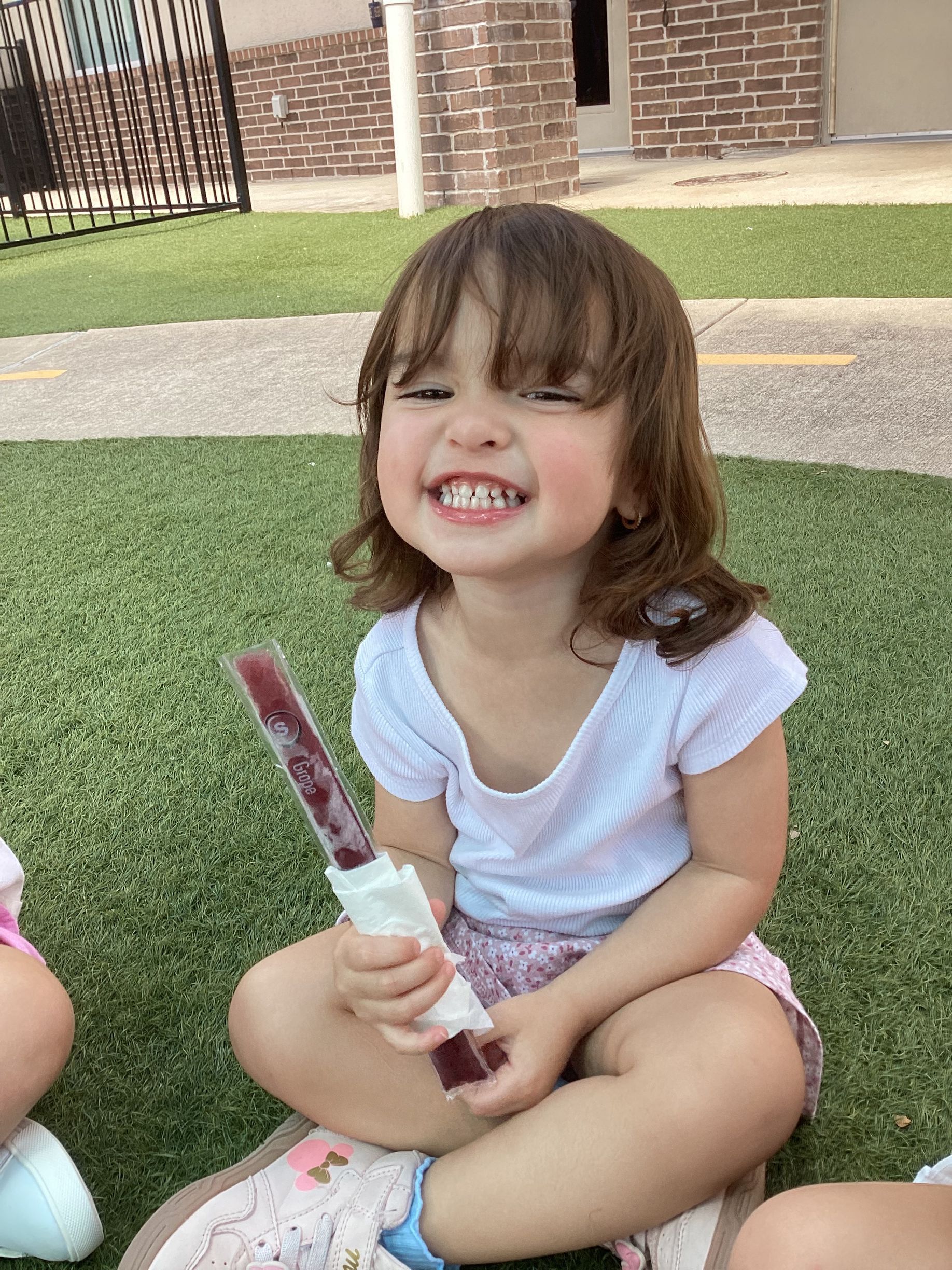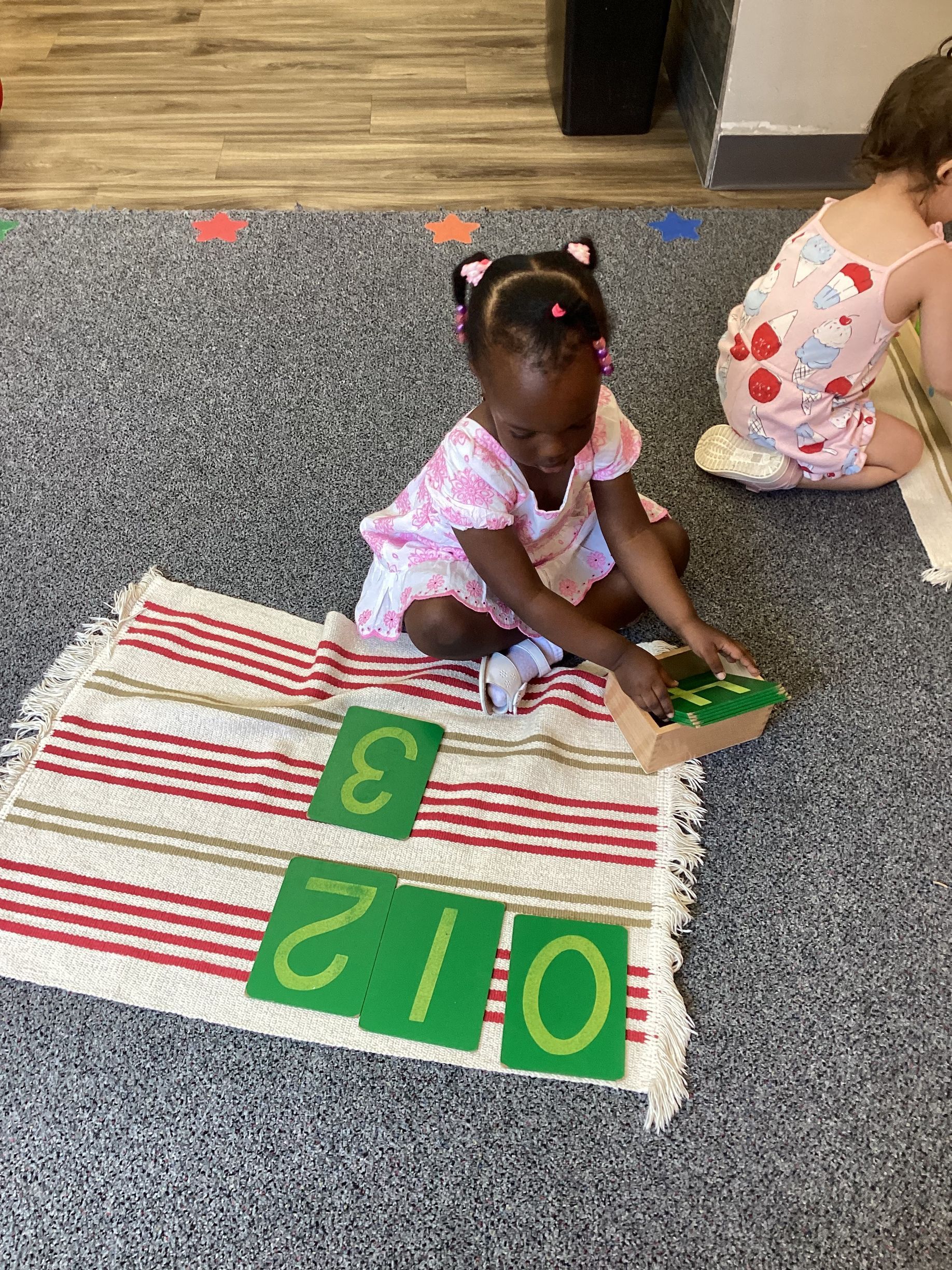
As parents and caregivers, we hold a wonderfully bittersweet role. While we cherish keeping our children close, our ultimate goal is to nurture their journey toward true independence.
We expect complete dependence when a child is born. Yet, a newborn’s very first step toward independence happens at birth: they take their first independent breath and begin actively nursing or feeding. Throughout the first six years of life, children achieve remarkable milestones in their personal growth. Dr. Maria Montessori observed these milestones as "conquests of independence."
Here is a look at how your child develops through these stages—and how we partner with you at My Quest Montessori School to support their natural path toward confidence and self-reliance.
Birth to One Year: The First Step Out into the World
The first major conquest of independence occurs at birth with the cutting of the umbilical cord. From this point forward, infants begin actively taking in nutrition and learning about their surroundings.
Key milestones during this stage include:
- Locomotion: Children begin using their arms and legs to sit, crawl, and explore. Once they begin moving independently, they rely less on being carried to see the world.
- Self-Feeding: The transition to solid foods at the weaning table encourages self-feeding. Offering child-sized glasses, small utensils, and finger foods empowers babies to feed themselves rather than waiting for an adult to insert a spoon.
- Separation & Trust: Practicing short periods of visual independence helps infants learn that they are separate individuals, building the foundation for secure independence later on.
- Early Communication: Cooing, smiling, and early babbling evolve into intentional sounds and words, marking the beginning of true social communication.
How We Support This at My Quest:
In our Infant Classroom, we maintain a shoe-free, peaceful environment featuring low Montessori floor beds instead of restrictive cribs. This allows babies to move freely as soon as they wake up, exploring safely at their own pace.
One to Three Years: Practical Skills & Making Choices
Between ages one and three, children move from steady walking to running and climbing. Their hands become their primary tools for learning and exploring.
Key milestones during this stage include:
- Self-Care & Hygiene: Toddlers begin taking pride in brushing their hair, wiping their faces, washing their hands, and dressing themselves.
- Toileting Independence: As walking and body awareness refine, children naturally move toward independent toileting routines.
- Order & Responsibility: Toddlers have an innate desire for order and love helping clean up after themselves—whether that means wiping a splash, sweeping up crumbs, or carrying their own belongings.
- Exercising the Will: Children begin making simple choices (e.g., selecting between two shirts or picking an activity work). Making choices builds their internal drive and sense of agency.
How We Support This at My Quest:
In our Toddler Community, everything is scaled to your child’s size—from low open shelves to child-sized tables, chairs, and cleaning tools. Our Guides patiently encourage children to put on their own shoes and clean up their own workspace, building immense pride in their everyday achievements.
Three to Four and a Half Years: Community & Practical Life
Around age three, children take a significant leap in social and emotional independence as they navigate structured environments away from home.
Key milestones during this stage include:
- Separation & Trusting Others: Children learn that they can thrive in a school environment and form strong, trusting relationships with adults outside their immediate family.
- Refined Motor Control: Fine motor skills blossom. Children begin mastering tools for food preparation (like child-safe spreading knives) and self-care fasteners (zippers, buckles, and buttons).
- Expressing Emotions: Vocabulary expands rapidly, allowing children to use words to express complex feelings and work through conflicts verbally.
- Contributing to the Community: Children actively care for their environment by setting lunch tables, watering plants, and folding laundry.
How We Support This at My Quest:
Our Primary classrooms offer uninterrupted work periods where children choose their activities, prepare their own healthy snacks, and practice "Grace and Courtesy" exercises. This teaches them how to express their feelings, respect others' personal space, and function harmoniously in a group.
Four and a Half to Six Years: Leadership, Empathy & Academic Mastery
By this stage, children are no longer just doing things for themselves—they are using their confidence and skill set to assist others and contribute meaningfully to their classroom community.
Key milestones during this stage include:
- Social Norms & Leadership: Children internalize the social habits of their community (greeting visitors, pushing in chairs, offering help) and naturally take on peer leadership roles.
- Empathy & Compassion: Children develop a deep understanding of others' feelings, using their words to resolve conflicts and mentor younger classmates.
- Abstract & Academic Thinking: Children begin connecting concrete hands-on Montessori materials to abstract concepts, mastering early reading, writing, and mathematical quantities.
How We Support This at My Quest:
In our mixed-age Primary classrooms, older children serve as role models and mentors to their younger peers—such as helping a younger classmate zip up a jacket before outdoor play. This multi-age dynamic builds exceptional empathy, leadership, and social grace.
Supporting Your Child’s Journey at Home
True independence does not happen overnight—it is a continuous process built on trust, practice, and a carefully prepared environment. When we allow children the time and space to do things for themselves, we show them that we believe in their abilities.
A few quick ways to support independence at home today:
- Place child-safe snacks and water cups on low, accessible shelves.
- Provide child-sized cleaning items (a small towel or small dustpan and brush).
- Offer limited, clear choices (e.g., "Would you like to wear the blue shirt or the red shirt today?").
- Pause before stepping in—give your child extra time to tie a shoe or zip a coat before offering assistance.
See Montessori Independence in Action
Our classrooms at My Quest Montessori School are designed from the ground up to nurture your child’s natural desire to say, "I can do it myself!"
We invite you to
tour our school campus in Cypress, Texas, meet our experienced Guides, and see how our programs help children reach their full potential.