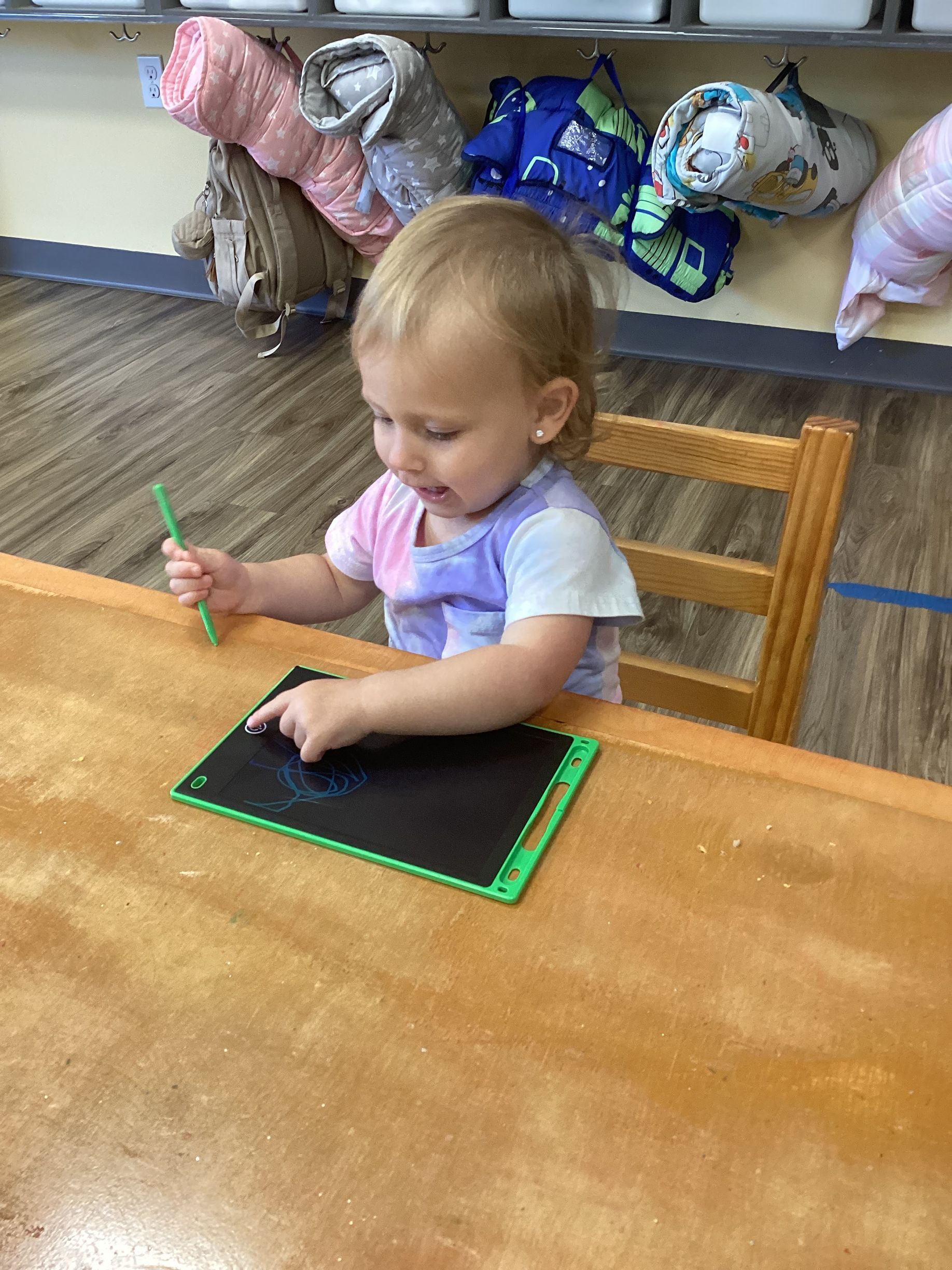
At My Quest Montessori School, our classrooms depend upon a vibrant web of mutual respect. This culture of respect is established from a child's very first day—from how our classrooms are thoughtfully arranged with child-sized furniture to how guides greet each student at eye level each morning, and how adults protect a child's deep concentration. Dr. Maria Montessori emphasized that adults must hold the utmost respect for children, as they are actively constructing the adults they will become.
Maintaining this respectful culture requires continuous care. In our Infant, Toddler, and Primary communities, we actively tend to the emotional health of our school community through daily lessons in Grace and Courtesy. We teach children how to take turns, speak softly, invite a friend to work, and resolve peaceful misunderstandings.
Even in a supportive environment, tensions can arise, misunderstandings occur, and frustration can take over. When small slights or disagreements begin to build up, having a concrete framework to help children navigate their emotions is invaluable. One of the most effective strategies we use and share with parents is the concept of the Relationship Bank Account.
What is a Relationship Bank Account?
Adapted from Dr. Stephen R. Covey’s The 7 Habits of Highly Effective Families, the concept of a Relationship Bank Account represents the amount of trust and goodwill that exists between two people.
Just like a physical bank account, every interaction between people acts as either a deposit or a withdrawal:
- Deposits build trust, safety, and connection. Examples include a warm greeting, a sincere apology, a listening ear, or a small act of kindness.
- Withdrawals drain trust and create tension. Examples include ignoring a friend, speaking harshly, interrupting work, or making assumptions.
When we consistently make deposits into our relationship bank account with a child, family member, or classmate, we build a generous cushion of goodwill. If a moment of frustration occurs—like a hasty answer or a bad morning—that built-up cushion allows the other person to respond with patience and empathy rather than anger.
Conversely, when an account has suffered continuous withdrawals with few deposits, even a minor misunderstanding can trigger a major conflict because there is no remaining buffer of trust.
How We Introduce This Concept by Age Group
In our Cypress classrooms, we adapt this framework to meet the developmental needs of each child:
For Toddlers and Young Primary Students: "Filling the Bucket or Cup"
For younger children, abstract financial terms can be tricky. Instead, we use the visual of a cup or a bucket.
- We place a clear container in the environment and invite children to brainstorm kind actions that "fill the cup" (like helping a friend clean up a spill or offering a gentle hug).
- We talk about how unkind words or taking a work away from a friend "empties the cup."
- Having a tangible visual helps young children connect their actions directly to how they affect others.
For Older Primary Students: "Deposits and Withdrawals"
Older children thrive on logical frameworks. Exploring the concept of "deposits and withdrawals" engages their reasoning mind and helps them step back from high-emotion moments.
- When a disagreement arises, a guide might gently ask: "What kind of deposit can we make right now to help repair this account?"
- This simple shift moves the child away from blame and toward proactive problem-solving.
3 Ways to Practice Relationship Deposits at Home
Bringing this practice into your family routine can dramatically decrease power struggles and build stronger emotional bonds:
- Start the Day with a Clear Deposit: Greet your child with undivided attention and warmth in the morning before rushing into the daily routine.
- Acknowledge Mistakes Openly: When you lose your patience, model accountability. Saying, "I was feeling overwhelmed and used a sharp voice. I am sorry, and I want to make a deposit by starting over," teaches children that relationships can always be repaired.
- Praise the Effort, Not Just the Result: Notice when your child makes an intentional deposit toward a sibling or parent, such as sharing a toy or offering help without being asked.
Experience Our Peaceful Community
When children learn how to navigate social interactions with mindfulness, empathy, and grace, they gain critical social-emotional skills that serve them for a lifetime.
At My Quest Montessori School, our dedicated guides prepare structured, peaceful environments where children from 6 weeks through Primary age develop emotional intelligence alongside academic excellence.
Would you like to see our warm, respectful learning environments in action? We invite your family to
visit our campus, tour our classrooms, and meet our team.