During the holiday season, we can unintentionally become a bit edgy or stressed. Routines change, schedules shift, and we may travel or host out-of-town guests. While our children often feel excited about the upcoming festivities, they also absorb changes in family routines and shifts in household dynamics.
When we gather with extended family or friends—no matter how loving, patient, and well-meaning—having additional people mixed into the daily routine can add extra layers of stress. Children naturally absorb this unspoken energy, and their behavior may shift as a result.
You might notice more meltdowns, an uptick in neediness, an increase in whining, more resistance, or a surge in sibling conflict. When children show attention-seeking behavior, it is helpful to remember that they are communicating an underlying need. It is their way of signaling that they need us to shift our focus and help them re-center.
Step 1: Connection Before Correction
The first step in supporting a child through busy transitions is connection. Children thrive when they feel a strong sense of significance and belonging. Even a few minutes of undivided, loving attention can refuel a child who is feeling disconnected or overwhelmed.
Depending on their developmental stage, this might look like:
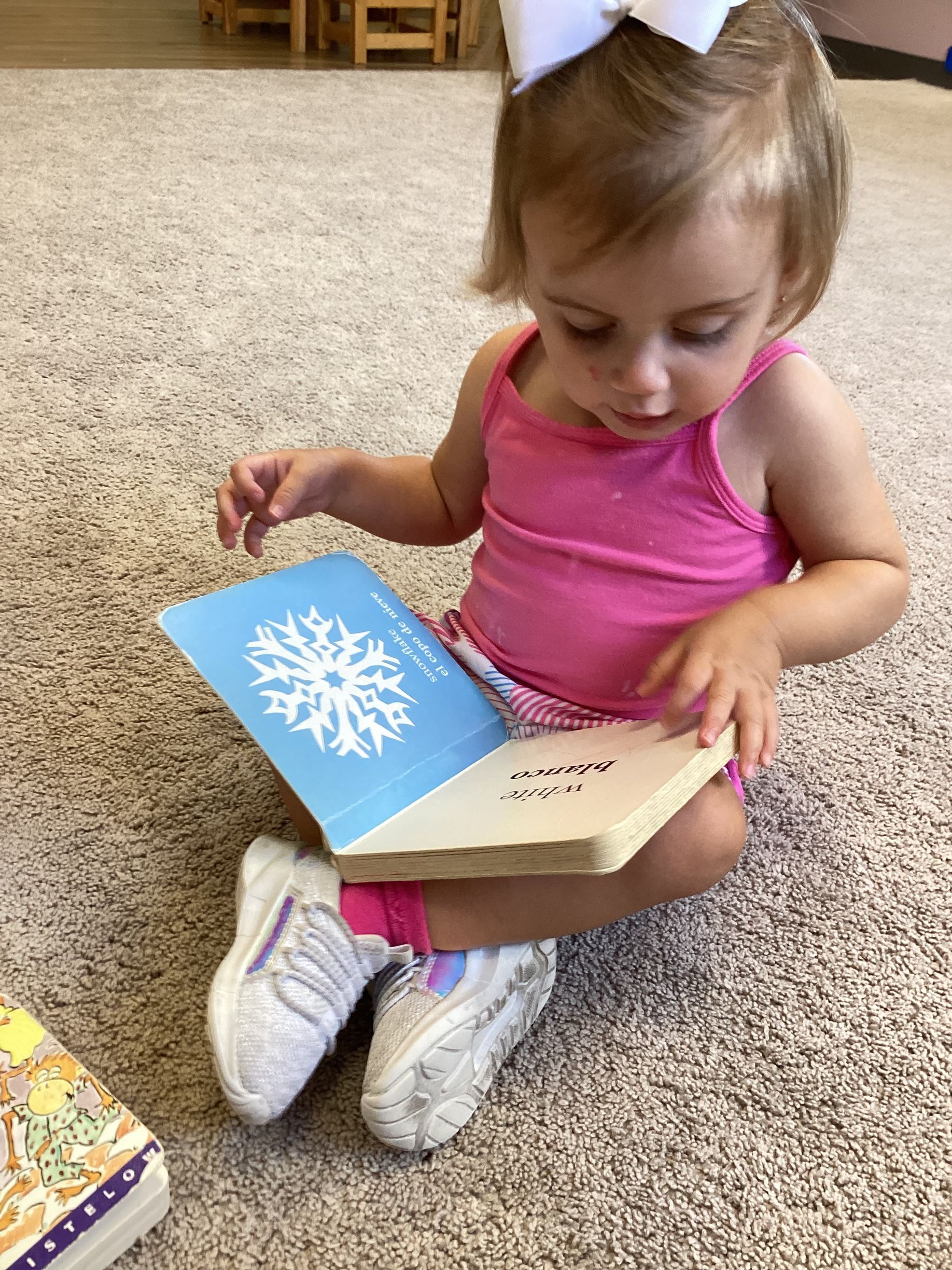
- Snuggling together on the couch to read a favorite book
- Working together on a practical activity or art project
- Taking a quiet walk outside on our campus grounds or around the neighborhood
- Spending 10 uninterrupted minutes playing or listening to their thoughts
The primary goal is being present together without the distraction of phones, chores, or holiday preparations.
Step 2: Preparing the Environment and Mindset
Once that foundation of connection is restored, we can discuss upcoming changes with our children. Children feel most secure when they understand what to expect from their day.
Take time to discuss what will shift during the holiday season:
- Will bedtimes or mealtimes look a little different?
- Who will be visiting, and what activities are planned?
- What quiet spaces will be available if they need a break?
Involving children in planning helps alleviate anxiety for the whole family. Mapping out the week on a shared visual family calendar or whiteboard gives children a clear reference for what comes next. You can also review activities together and intentionally trim away non-essential commitments to preserve downtime.
Step 3: Mindful Involvement and Meaningful Work
In a Montessori classroom, children thrive when given real, purposeful tasks that contribute to their community. The same principle applies at home during busy holiday gatherings.
Instead of sidelining children while adults handle holiday prep, invite them to participate in meaningful ways:
- Food Preparation: Scrubbing vegetables, peeling apples, tearing lettuce, or stirring batter
- Care of the Environment: Setting the dining table, folding napkins, or tidying shared living spaces
- Family Traditions: Creating simple handmade decorations or compiling past family photos into a memory album
Enlisting extended family members to work alongside children creates wonderful opportunities for bonding while keeping children grounded in purposeful activity. When children feel useful and included, their internal discipline and sense of calm naturally return.
Building Lifelong Resilience
The holiday season offers a valuable opportunity to model self-regulation, intentionality, and grace for our children. By prioritizing connection, preparing them for schedule changes, and involving them in meaningful household contributions, we help them navigate seasonal shifts with confidence and ease.
At My Quest Montessori School, our prepared environments offer steady consistency and predictable rhythms that support children’s emotional well-being year-round.