In this intense era of screens, our children’s connection to books can feel more elusive. We want our children to love reading, but this hope is often mixed with frustration. Coaxing, reminding, begging, bribing: these may seem like quick ways to fix the problem, but they rarely build a long-term, genuine love for literature.
So what is the secret to helping children read more books?
In Montessori, when we observe a challenge, we look at our own actions and our home environment first. We ask what shifts we can make within ourselves and the physical space to support the child. Here are two powerful questions to ask in this process:
- Do we limit our children’s access to electronic entertainment?
- Do our children see us reading at home?
These two elements—setting thoughtful boundaries and modeling the behavior—are the most effective secrets to raising lifelong readers.
The Role of the Environment and Example Setting
When many of us were growing up, screens were not constantly competing for our attention. Television hours were limited, and when friends were not around, we naturally turned to books. Getting lost in a story was both exciting and deeply satisfying.
Those early experiences shaped not only our imaginations but also our academic confidence, as a strong habit of reading makes schoolwork and future studies far more accessible and enjoyable.
Today, we face new challenges with our children. Setting limits on screens takes intentional effort, and finding quiet time to model reading can feel difficult amidst busy schedules. Yet these two factors remain essential to a child's cognitive and emotional development.
Boundaries Around Screens
Setting limits isn’t only about how long children spend with electronic devices, but also where they use them. When devices are used in private spaces like bedrooms, they become an unmonitored part of a child’s daily routine. Keeping electronics in common areas makes it much easier to maintain balance, visibility, and accountability.
Of course, limiting screen use isn't always convenient. There are times when we need quiet to complete housework or handle work commitments, and an electronic distraction feels like the easiest solution. In those moments, it helps to weigh our priorities: Is a little short-term noise or clutter in the living room worth the long-term benefit of better focus and habits for our child? Often, short-term inconveniences lay the groundwork for long-term independence and character growth.
Why Limits Matter
Creating clear boundaries teaches children far more than just when to turn off a screen. It teaches them moderation, self-regulation, and balance—the exact skills they will need as responsible adults.
When we give in to protests or demands for constant entertainment, children learn that persistence alters boundaries. Children are naturally wired to test limits to understand where their parameters lie. Our job as parents and educators is to remain steady, calm, and consistent. Children find safety and comfort in knowing that a loving adult is securely maintaining the boundary.
Read With Them
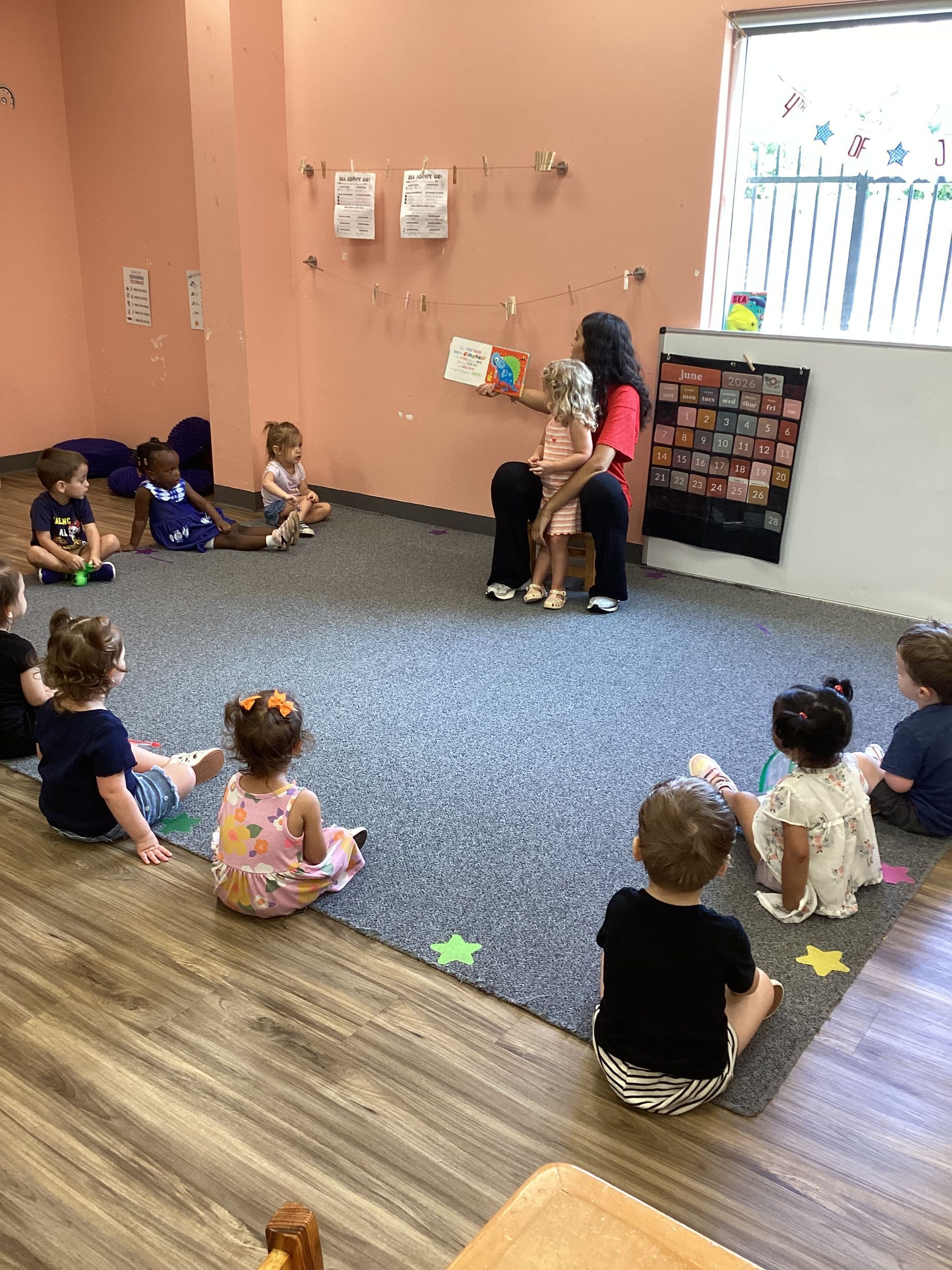
In addition to establishing boundaries around electronics, another critical step is weaving reading into the daily rhythm of your home. If we want our children to read more, we must read to them—even after they are fully capable of reading on their own.
- For young children: Establish storytime as a predictable daily ritual, such as right before bedtime or after dinner.
- For older children: Share interesting news articles, recipes, or compelling stories from your day.
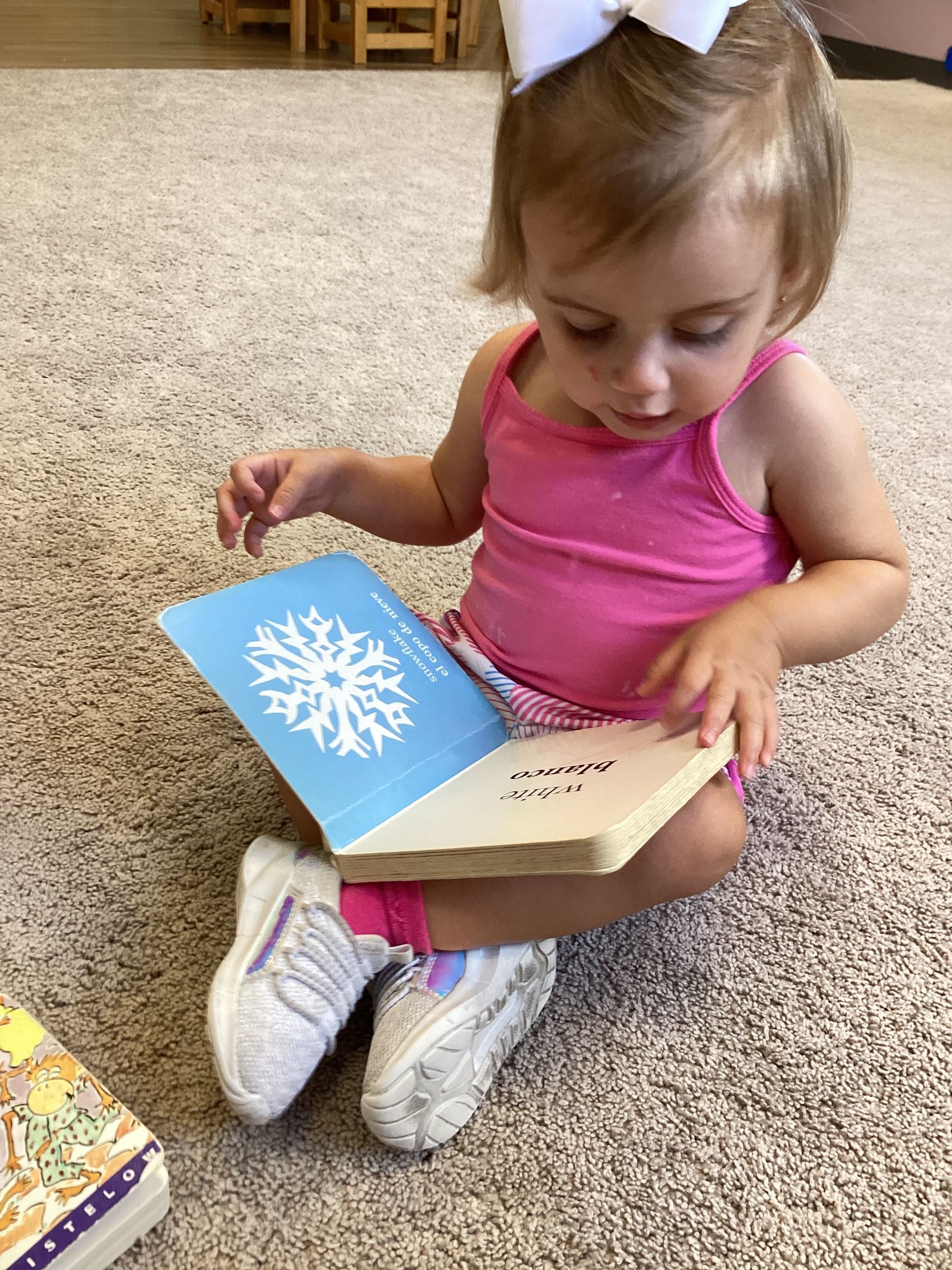
- Create a cozy reading space: Set up a quiet, well-lit nook with accessible shelves at the child's height.
- Designate screen-free family time: Set aside time in the evening where everyone—adults included—picks up a book.
When children see us reading, it normalizes the habit. It sends a clear message that reading isn't just a chore assigned at school, but a rewarding part of a rich life. Children who grow up surrounded by accessible books and active readers naturally view reading as an enjoyable, deeply human activity.
Building a Foundation for Life
The “secrets” to raising readers are not secrets at all. They are about preparing an environment that invites curiosity, setting boundaries that protect a child's attention, and modeling the joy of learning every day.
At My Quest Montessori School, our prepared classroom environments are filled with rich literature, language materials, and dedicated quiet work periods that foster concentration and a love for books from the earliest years.
Interested in seeing how our classrooms foster a natural love for reading and independent learning?
Schedule a visit to tour our Cypress campus and see our programs in action!